
Keno demo gives members a clear way to read numbered draws without placing PHP or USD stakes. This article is written for SPINOY88 members and players, helping them understand tickets, rooms, and sample rounds before real entry.
Keno demo tutorial with simple trial rules
The game starts with numbered spots shown on a clean ticket grid. Members select marks, submit the sample slip, then wait for the draw result. SPINOY88 presents the layout in a direct style, so each action feels easy to follow.
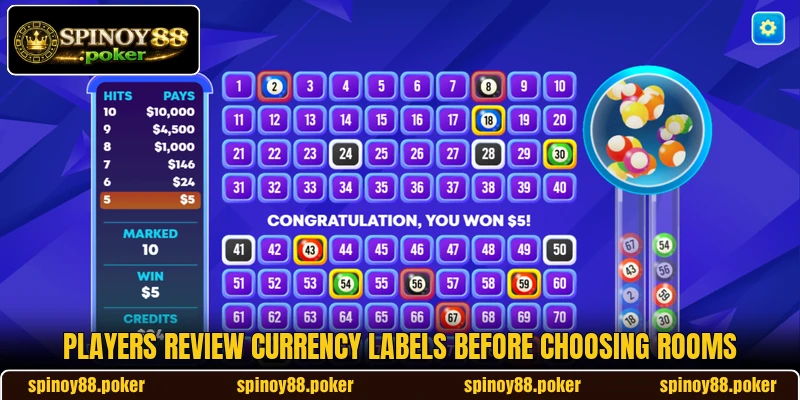
Keno demo rounds often use numbers from one to eighty. A ticket can include only a few marks, or it can hold many chosen spots. The draw then shows matching numbers, missed spots, and a sample return line.
Players can use the trial screen to compare ticket sizes before joining paid rooms. PHP and USD views may appear through account settings or payment pages. The main point is learning the draw flow without confusing terms or hidden steps.

How members read digits and draw rounds
Keno demo play depends on a simple match between selected spots and drawn numbers. Members should read the ticket first, then check how the result line confirms each hit.
Ticket figures and marked spots
The ticket area usually displays numbers in a neat grid. Members mark chosen spots by tapping or clicking the wanted numbers. Each selected spot becomes part of the sample entry for that round.
A smaller ticket is easier to read during early rounds. It shows fewer matches, misses, and return lines at once. This keeps attention on the draw rather than crowded details or fast changes.
Players can reset marks before sending the sample ticket. The clear button helps remove numbers that were added by mistake. After submission, the round waits for the next result and shows the ticket status.
Keno demo ticket flow
The ticket flow begins when members choose a room and open the number panel. Keno demo then shows the available spots, draw timer, and sample slip. This order helps players see every part before the round starts.
After numbers are marked, the sample entry moves into the pending area. The screen may show the chosen count and related return table. Nothing is final until the entry button is pressed by the member.
When the draw ends, matching numbers appear with a result note. Players can compare the hits with the ticket in seconds. The next round starts after the display clears and the timer returns.
Payout rows and sample odds
A return table explains how matches connect with sample payouts. Values may be shown in PHP, USD, or account credit format. Members should read the row linked to their chosen spot count.
Higher spot counts can show larger top returns, but they also need more matches. Lower spot counts usually create shorter result checks on the screen. The table makes these differences visible before paid play begins.
Keno demo tables are useful because they show figures without real cost. Players can move between rows and see how outcomes change. This helps members understand the ticket math in plain language.
Room tables and entry levels
Rooms may differ by pace, ticket limits, and displayed stake ranges. Some areas show smaller PHP entries, while others list higher USD values. Members should read the room label before entering any draw.
A slow room gives more time to select numbers. A faster room may suit players who already understand the screen. The room choice changes the rhythm more than the basic rules.
Keno demo rooms let members compare layouts without changing real balances. The same number grid may appear, yet timers can feel different. Players should notice these details before choosing a live ticket.
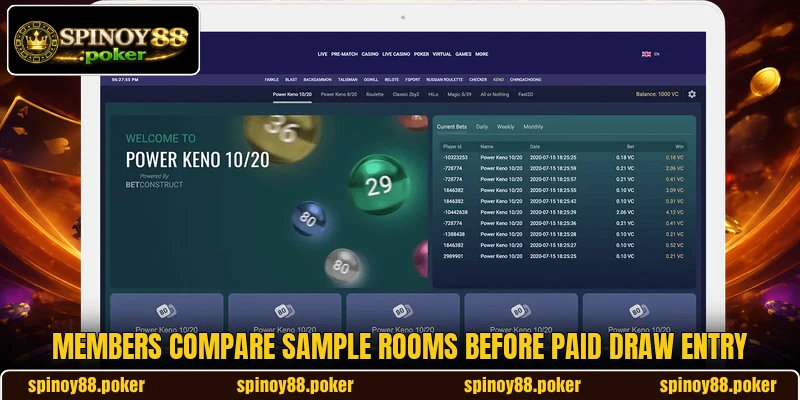
Better choices during practice number play sessions
Sample play works best when members study the screen instead of rushing through draws. The trial mode can show how ticket size, room pace, and currency display affect each round.
Pick fewer spots first
Fewer spots make the first ticket easier to check. Members can see every chosen number without scanning the whole grid. The result also becomes simpler after the draw ends and highlights appear.
Starting small does not mean the method is better. It only makes the screen easier during the first few samples. Players can add more spots after reading results smoothly and recognizing return rows.
A clean ticket reduces mistakes during timer pressure. It also shows how a return row links with selected numbers. This habit helps members follow the game without extra notes or outside charts.
Check speed before joining
Draw speed changes how much time members have before submission. A quick timer can feel crowded when several numbers are selected. A slower room gives more space to review the ticket and confirm marks.
Members should watch one full sample round before pressing entry. The timer, result reveal, and next-round reset all matter. These details decide whether the room feels comfortable from start to finish.
Keno demo makes this check simple because no balance is involved. Players can leave one room and enter another screen easily. The best pace is the one that keeps each action clear.
Compare PHP and USD views
Currency display can affect how members read entry ranges. PHP values may feel familiar to Philippine members during small sample checks. USD values may appear shorter, but they still need careful reading.
Players should compare the same room in both value styles when available. This avoids confusion between displayed credit and actual payment size. The ticket rule stays the same across currency views.
Keno demo also helps members notice labels beside sample amounts. A clear label prevents mixing stake range with return rows. That small check keeps the screen easy to understand during every sample.
Conclusion
Keno demo gives members a simple view of number picks, draw timing, ticket checks, and sample returns. The key value of SPINOY88 is that members can read the game screen before real entry. Register, download the app, and enjoy the next draw with steady luck.